
Tastes likegreen apple, lemon, brioche, almond, toast
Alcohol12-12.5%
Serve at43-48°F (6-9°C)
GlassTulip glass (better than a flute)
Decant?No
What to payNon-vintage from $35; vintage $70+
Champagne is made by the traditional method: a second fermentation in each bottle creates the bubbles, and years of aging on the spent yeast add brioche and toast flavors. It’s a blend of Chardonnay, Pinot Noir and Pinot Meunier.
Best food with Champagne

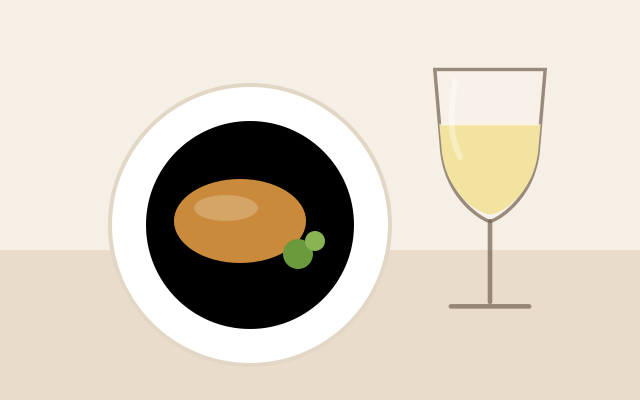 PoultryFried chicken
Champagne · Cava · Grüner Veltliner

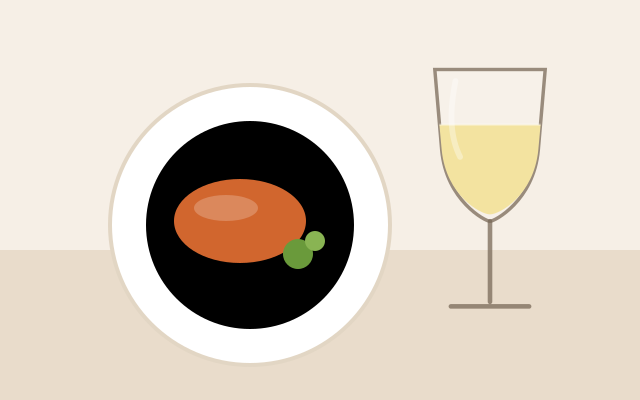 SnacksPopcorn (movie night)
Champagne · Chardonnay · Gamay (Beaujolais)
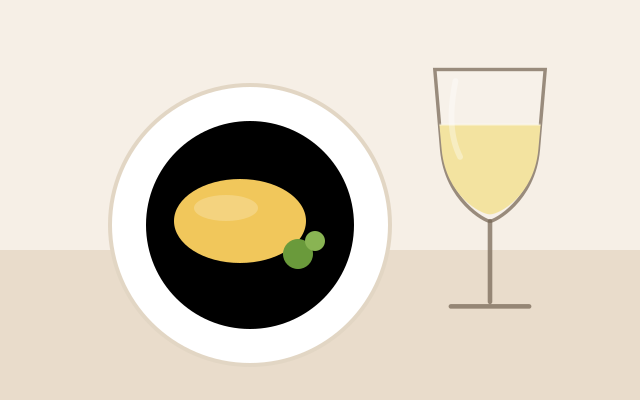 CheeseCheese board
Champagne · Gamay (Beaujolais) · Port
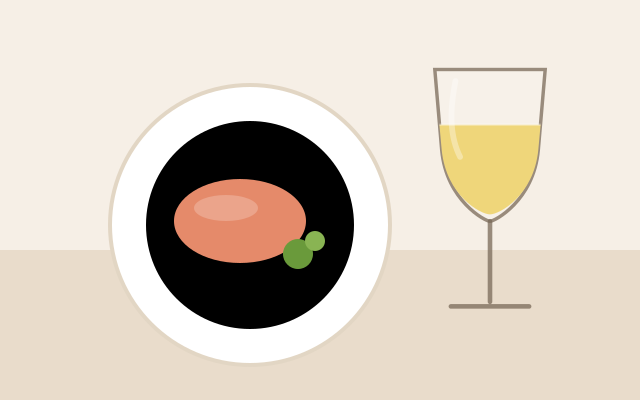 SeafoodCrab & crab cakes
Chardonnay · Albariño · Champagne
Sweetness levels
From driest to sweetest: Brut Nature/Zero, Extra Brut, Brut (most common), Extra Dry (confusingly, slightly sweet), Dry, Demi-Sec.
Food it loves
Champagne’s acidity and bubbles scrub salt and fat off your palate, so fried chicken, potato chips, popcorn and oysters are perfect partners. It’s also great with soft cheeses and sushi.
Buying tips
- Non-vintage Brut from a big house is the reliable standard.
- Grower Champagne (look for “RM” on the label) is often better value.
- Blanc de Blancs = all Chardonnay; crisp and elegant.
For a cheaper alternative, see Cava or Crémant.
Where it’s grown
Champagne, France
Tasted Champagne?
Reader tasting notes
Tasted Champagne? What did you notice, and what did you drink it with? The first good one goes right here.
Add a tasting note
Drinking a Champagne right now?Score it on our 100-point card and keep a private wine journal.
Rate it